trend watch Pro Secrets Revealed
GettyImages
Share


We toured a pro-built neighborhood to learn what’s really working—and how you can bring those energy-efficient smart home ideas into your own space.
We all have someone to look up to. If you’re a football fan, maybe it’s your favorite Ravens player, whose jersey you wear while extolling the virtues of their rushing game to anyone who will listen. Maybe you’ve got a foodie friend who always finds the best eats in Federal Hill. Well, when it comes to our homes, who better to emulate than a “star” of high-performance tech? No hard hat required.
So, let’s take a look at what the pros are doing to see if we can pick up on an approach or two.
Signed. Air Sealed. Delivered.
Here’s a not-so-fun fact: Most homes leak air like a pasta strainer. From gaps around outlets to leaky ducts and doorframes, warm (or cool) air slips away without us noticing.
The Beazer team tackles that with a whole-home sealing system. They pressurize the house with a sealant that finds and plugs every little hole.
If that sounds futuristic, it is. But it’s also incredibly effective. According to the EPA, smart air sealing can cut your home’s energy loss by 10%—no foam insulation suit required.

The Pro’s Pro
You don’t become a 10-time winner of the ENERGY STAR® Partner of the Year Award without knowing a thing or two about the craft of building energy-smart homes. And Beazer Homes knows more than a thing or two. They’ve been building homes for over nine generations, since English builder George Beazer founded the company back in the 1600s, when locally sourced stones and thatched roofs were all the rage. They’re making a big push to bring more energy-efficient residences to Maryland, having launched Hampton Hills, our state’s first-ever series of NextGen certified homes.
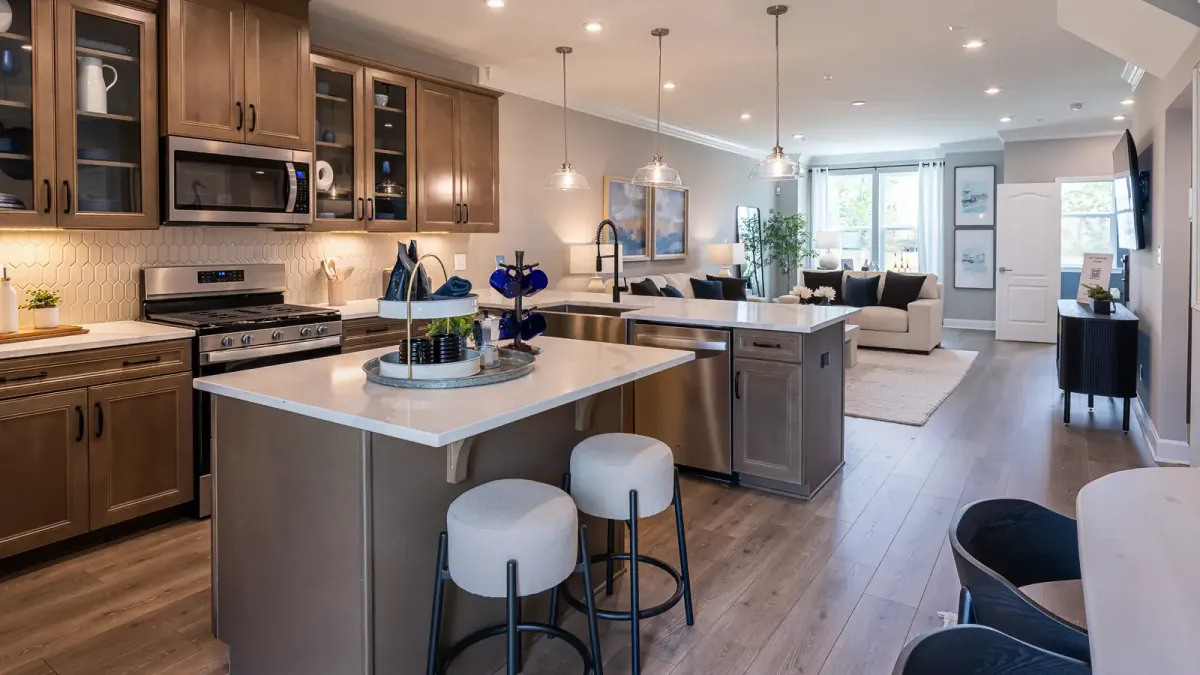
Beazer builds over 300 homes a year in Maryland alone. So we visited their new Baltimore townhome community, The Cove at Sparrows Point Country Club where the team gave us a firsthand look at the innovative technologies they’re installing in these townhomes—and how you might do the same.
Smooth Sailing with Variable-Speed Heat Pumps
Say you’re driving from Parkville to Columbia. You can punch the gas and pray, or ease into the ride and still make it—just without giving your car (or your nerves) a workout.
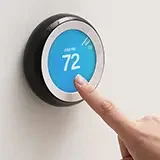
That’s the concept behind variable-speed heat pumps. Instead of cycling full blast on and off, they gradually adjust to reach your preferred temperature. Less noise. Less wear. More balance.
The motor automatically adjusts its speed based on your demand. Only when temps change dramatically does it work harder. This reduces energy consumption and gives you more precise control of the temperature in your home. That means less energy use for the same comfort. And variable-speed motors help reduce your home’s humidity, for even more comfort.
Bonus? According to ENERGY STAR, heat pumps can deliver up to four times the energy they consume. Which, around here, counts for something.

Getty Images
Induction: A Kitchen Revolution
Let’s talk stoves. Most of them heat up everything—the pan, the air, the kitchen, your patience. But induction cooktops skip the drama. They send heat directly to your pot (as long as it’s magnetic) and nowhere else.
These cooktops are precise, are fast and don’t overheat your space.

Getty Images
The Lowdown on Low-E Windows
Ever feel like your windows are just for looks? That might be because they’re letting heat in during summer and out during winter.
Low-e windows fix that. The “e” stands for “emissivity,” but what you really need to know is this: They help your home stay comfortable by reflecting the kind of heat you don’t want—while letting the light in.
Plus, they protect your sofa and curtains from fading in Baltimore’s sunny seasons. And let’s be honest—replacing faded furniture is way more expensive than switching out a windowpane.
Ready for Zero (Energy)
What’s cooler than a house that saves energy? One that’s ready to make its own.
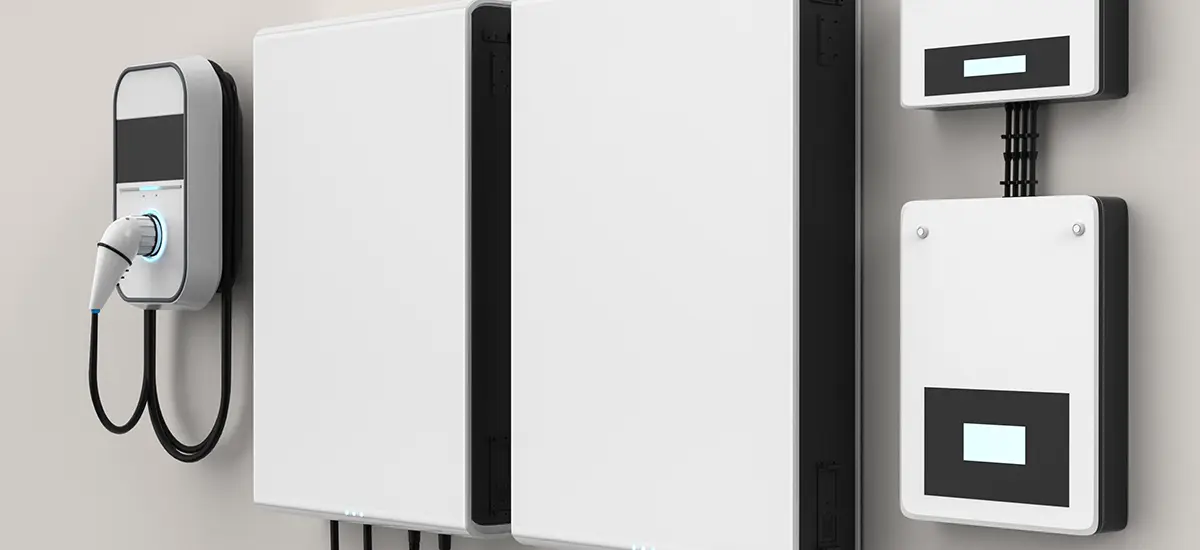
Zero Energy Ready Homes are built so efficiently that a renewable system—like solar—could power most or all of their yearly needs.
Wiring is run through the attic for solar hook up and a gang box is installed for safety and wall-mounted battery is installed.
Translation: These homes are built for today but prepped for tomorrow.
If that sounds a little out of reach, know this—there are plenty of small steps homeowners can take to move toward a more efficient setup, one project at a time.
Getty Images
The Bottom Line
You don’t need a brand-new house to start living smarter. Swapping in a heat pump, sealing some leaks or upgrading to induction can all help your home save energy—with less effort on your end.
Even something as small as a $10 caulking gun can make a dent. (And, yes, it’s more satisfying to use than you’d think.)
So whether you’re a DIY weekend warrior or just looking to do more with what you have, there are real options out there that make a difference. You don’t have to go all-in—just start where you are.
And if you ever need inspiration? Just look to the pros. They’ve got a head start—but they’re happy to share the blueprints.
Considering building a new home?
Visit bgesmartenergy.com/residential/help-me-save/new-homes to find ways to save.